
[Singapore, September 10, 2025] – The three-day World Sleep 2025 congress concluded today in Singapore.
World Sleep 2025: Illuminating Human Health Through Sleep Science
Bringing together leading global experts, scholars, and professionals from sleep science, clinical medicine, research innovation, and industry frontiers, the World Sleep 2025 Congress fostered high-level, multidisciplinary exchanges under the theme “Illuminating Human Health Through Sleep Science.”
The event highlighted the rapid progress and broad influence of sleep medicine in improving global well-being.
Comprehensive Agenda Covering the Full Spectrum of Sleep Science
The congress featured a substantial and diverse agenda, spanning topics from basic mechanisms and clinical practice to technological innovation and public policy—reflecting the highly interdisciplinary and integrated nature of modern sleep science.
Main Venue: Cutting-Edge Technologies Driving Transformation
Professor Thomas Penzel, a renowned German sleep scientist, delivered a keynote speech titled “Sleep Technology Innovation: Advancing the Diagnosis and Treatment of Sleep Disorders.”
He emphasized that AI, wearable devices, and remote monitoring are profoundly transforming screening, diagnosis, and treatment—enabling broader access and personalized sleep health management worldwide.
Parallel Sessions: Diverse Topics in Focus
The parallel sessions explored a wide range of research hotspots and clinical challenges, including:
Applications of genetics and multi-omics in precision sleep medicine
New pharmacological and surgical treatments for obstructive sleep apnea (OSA)
Latest findings from the Global Adolescent Sleep Health Project (GASP)
Implementation of CBT-I in special populations such as the elderly and chronic disease patients
Bidirectional mechanisms linking neurodegenerative diseases (e.g., Alzheimer’s, Parkinson’s) and sleep disorders
Deep associations between circadian rhythm disruption and metabolic syndrome, obesity, and cardiovascular disease
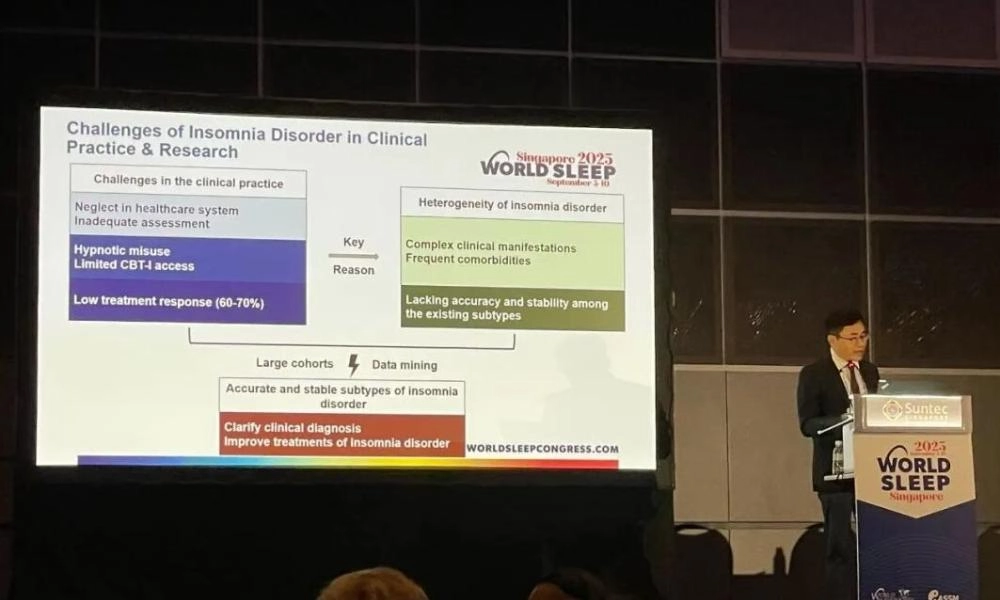
Sleep and Global Health: Transcending Disciplinary Boundaries
Rise of Chinese Research: Global Recognition
This year saw a record contribution from Chinese researchers, with numerous presentations in both main and parallel sessions. Topics included sleep-disordered breathing, circadian rhythm mechanisms, and sleep-related neuropsychiatric diseases—showcasing China’s rapid development, high-quality output, and international collaboration in the field of sleep medicine.
Conclusion: A Panoramic View of Sleep Science
World Sleep 2025 offered a comprehensive picture of sleep science—from molecular mechanisms to societal impact, from infancy to old age, and from individual health to global policy.
Progress in clinical translation, disease mechanism research, and sleep health policy reflects a growing trend toward globalization, interdisciplinarity, and integration.
“Sleep is a cornerstone of human health. Through continued scientific exploration and international cooperation, we can provide better sleep and healthier lives for people of all ages and backgrounds worldwide.”
— Closing remarks from the Congress Chair
With that, World Sleep 2025 concluded successfully. The next congress will be held in Canada in 2027.





Add comment