
How Do Sleep Aid Devices for Insomnia Compare to Natural Remedies?
If you’re struggling with insomnia, finding the right solution to improve your sleep is crucial for your health and well-being. Sleep aid devices for insomnia and natural remedies are two common options people turn to. But which one is more effective for managing sleep disorders? In this article, we will compare sleep aid devices and natural remedies, exploring their benefits, drawbacks, and how they can help you find restful sleep.
The Role of Sleep Aid Devices for Insomnia
What Are Sleep Aid Devices?
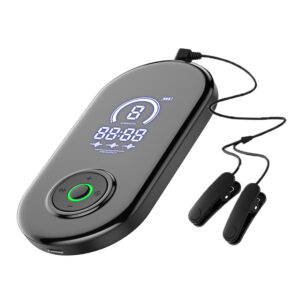
Sleep aid devices for insomnia include a range of tools designed to promote better sleep. These devices use different methods such as sound therapy, light therapy, microcurrent stimulation, and more to improve sleep quality. They can be beneficial for people with sleep issues such as insomnia, anxiety, or stress.
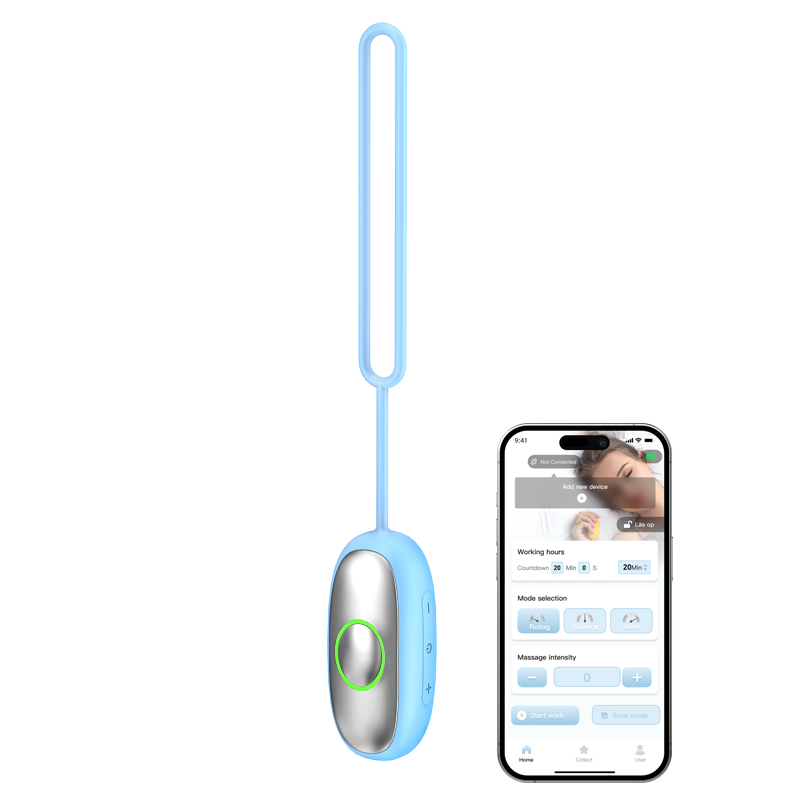
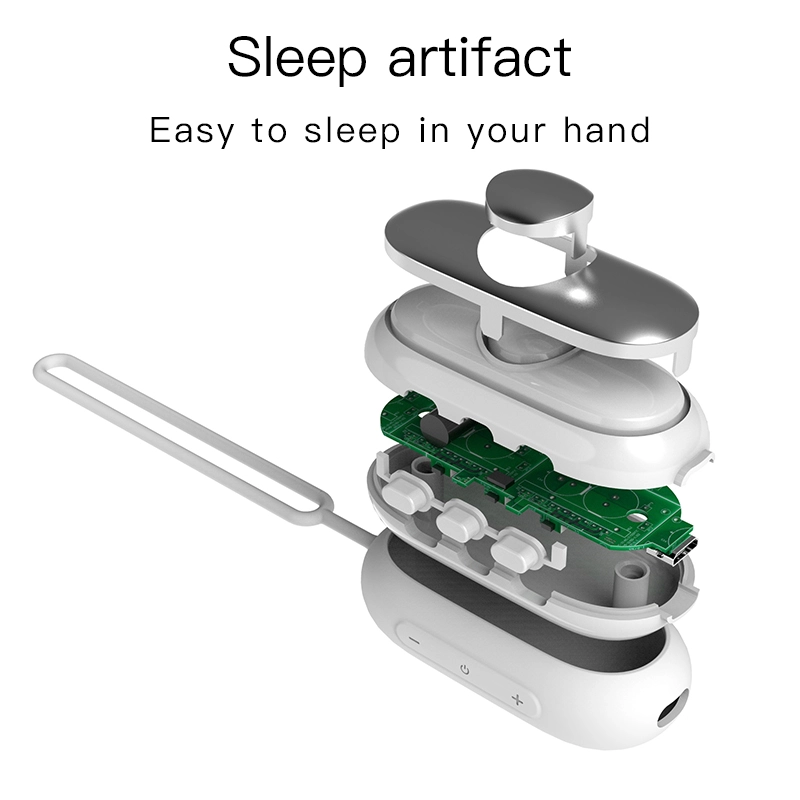
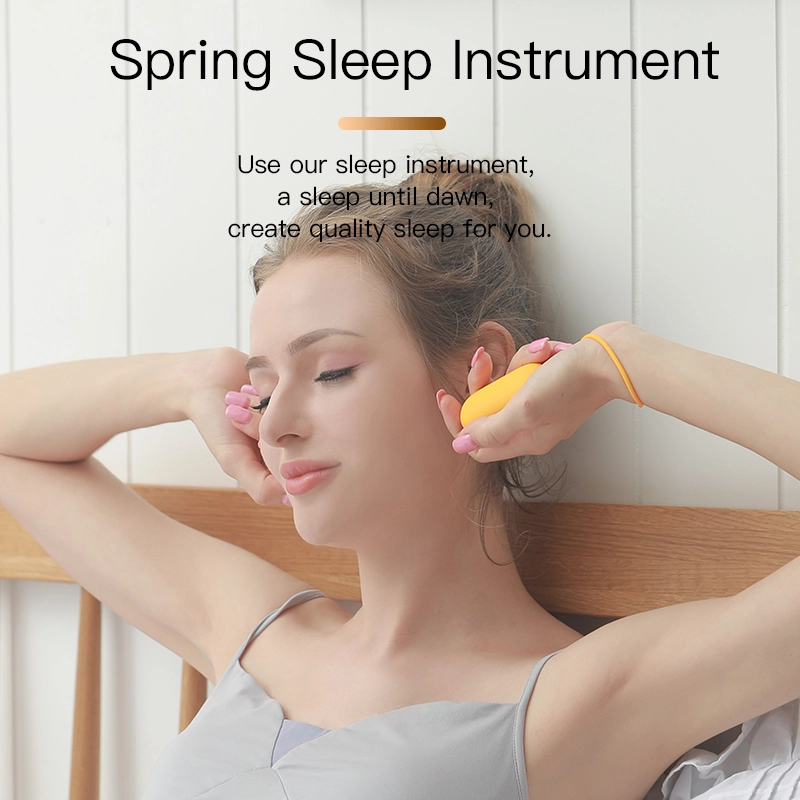
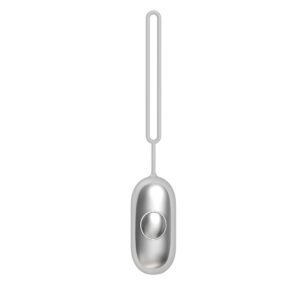
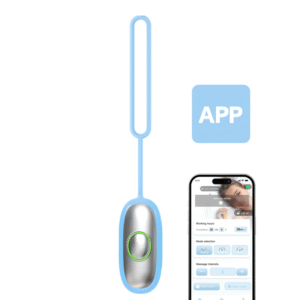
For instance, ABIS’s M001 handheld sleep device is one such sleep aid device that utilizes CES (Cranial Electrotherapy Stimulation) microcurrent therapy. This device gently stimulates the brain with low-frequency microcurrent pulses, helping to regulate abnormal brainwave activity, promoting the natural release of key neurotransmitters and hormones like serotonin, melatonin, and endorphins—essential for healthy sleep.
Key Benefits of Sleep Aid Devices:
- Precision: Devices like the M001 provide targeted treatment to address specific sleep issues.
- Ease of Use: They are often portable, easy to use, and provide immediate results.
- Scientifically Proven: Many sleep aid devices, like CES therapy, are backed by scientific research for their efficacy.
Drawbacks of Sleep Aid Devices:
- Cost: Some high-tech devices can be expensive.
- Dependency: Over-reliance on devices could prevent natural sleep improvements.
- Not for Everyone: Some individuals may not respond well to certain devices, especially if they have sensitivities to electronic stimulation.
Natural Remedies for Insomnia
Common Natural Remedies for Sleep:
Natural remedies for insomnia have been used for centuries to promote relaxation and improve sleep. These remedies typically focus on lifestyle changes, dietary adjustments, and natural supplements.
Some of the most popular natural remedies for insomnia include:
- Herbal Teas: Chamomile, valerian root, and lavender tea are known for their calming effects.
- Aromatherapy: Essential oils like lavender and sandalwood are often used to create a calming atmosphere.
- Melatonin Supplements: Melatonin is a hormone that regulates the sleep-wake cycle and is available in supplement form.
- Relaxation Techniques: Practices like deep breathing, meditation, and yoga can help reduce stress and improve sleep.
Key Benefits of Natural Remedies:
- Cost-Effective: Many natural remedies are inexpensive and easy to access.
- No Side Effects: Most natural remedies are non-invasive and have minimal side effects.
- Holistic Approach: Natural remedies often focus on overall wellness and address the root causes of insomnia.
Drawbacks of Natural Remedies:
- Effectiveness May Vary: Natural remedies work differently for everyone and may not provide quick results.
- May Take Time: Unlike sleep aid devices that provide instant relief, natural remedies can take longer to show noticeable effects.
- Limited Scientific Evidence: While some remedies are supported by research, others lack solid scientific backing.
Sleep Aid Devices vs. Natural Remedies: Which Is Better?
Effectiveness:
- Sleep Aid Devices like the ABIS M001 are designed to target specific sleep disturbances, providing fast and measurable results. These devices use technology-backed methods like CES therapy, which has been scientifically shown to aid sleep.
- Natural Remedies may be gentler and less invasive, but their effectiveness can vary depending on the individual. While some people find relief through herbal supplements or relaxation techniques, others may need more structured interventions like sleep aid devices.
Convenience:
- Sleep Aid Devices are often more convenient for people who need a quick fix. They are portable, easy to use, and can be used daily for continuous improvement.
- Natural Remedies often require more effort, such as making teas, practicing relaxation techniques, or taking supplements at regular intervals.
Side Effects and Risks:
- Sleep Aid Devices generally have minimal side effects, especially those that use non-invasive methods like CES. However, some individuals may experience mild discomfort or sensitivity to electrical stimulation.
Choosing the Right Solution for Your Insomnia
Ultimately, the decision between sleep aid devices and natural remedies depends on your specific needs, preferences, and sleep challenges. If you’re looking for fast, science-backed results, a sleep aid device for insomnia like the ABIS M001 handheld sleep device may be the right choice. If you prefer a more holistic, gradual approach, natural remedies like herbal teas or aromatherapy might be the best option.
Conclusion
Both sleep aid devices for insomnia and natural remedies offer unique benefits and can be effective solutions for improving sleep. If you prefer a more targeted approach with immediate results, sleep aid devices like the ABIS M001 are highly effective, especially when dealing with conditions like insomnia, anxiety, or stress. On the other hand, natural remedies provide a more accessible and gentler approach that focuses on overall well-being and lifestyle changes.
For those seeking an effective solution to improve sleep, combining both approaches may also be beneficial. By pairing natural remedies with a reliable sleep aid device, you can maximize your chances of overcoming insomnia and achieving restful sleep.
FAQs:
- Are sleep aid devices for insomnia safe to use daily?
Yes, most sleep aid devices, such as the ABIS M001, are designed for daily use and have minimal side effects. However, it’s always best to consult a healthcare provider if you have any concerns. - How long does it take for natural remedies to work for insomnia?
Natural remedies can take time to show results, often several weeks, depending on the individual. For quicker results, combining natural remedies with a sleep aid device may be more effective. - Can sleep aid devices replace medication for insomnia?
Sleep aid devices can be an effective alternative or complementary treatment for insomnia. However, if you’re on prescription medication, it’s important to consult with a doctor before making changes to your treatment plan.


Add comment