
How to Choose the Sleep Sound White Noise Machine for Better Sleep and Focus
Why Choosing the Right White Noise Machine Matters
Sleep quality directly affects health, productivity, and emotional balance. However, modern life creates constant auditory disruption. Traffic noise, electronic alerts, and household sounds interrupt rest and concentration. As a result, many people turn to sound-based sleep solutions.
A Sleep Sound White Noise Machine offers a practical and non-invasive option. Yet, not all devices deliver the same effectiveness. Choosing the wrong machine may reduce benefits or cause discomfort. Therefore, understanding how to choose correctly becomes essential.
This guide explains how to evaluate features, performance, and design. It helps readers select a device that supports both better sleep and deeper focus.
What Is a Sleep Sound White Noise Machine?
Core Function and Purpose
A White Noise Machine produces a consistent background sound. This sound masks sudden environmental noise. As a result, the brain experiences fewer sleep interruptions.
Unlike music, white noise maintains steady frequency patterns. Therefore, it reduces sensory alert responses. This principle helps users fall asleep faster and stay asleep longer.
Many professionals also use these devices during work hours. They help block distractions and improve concentration. Consequently, demand continues to grow across homes and offices.
How White Noise Supports Sleep and Focus
White noise works by stabilizing the auditory environment. Sudden sounds trigger micro-awakenings during sleep. However, consistent noise reduces these reactions.
During focus tasks, white noise minimizes attention shifts. It creates a predictable sound environment. Therefore, cognitive load decreases, and productivity improves.
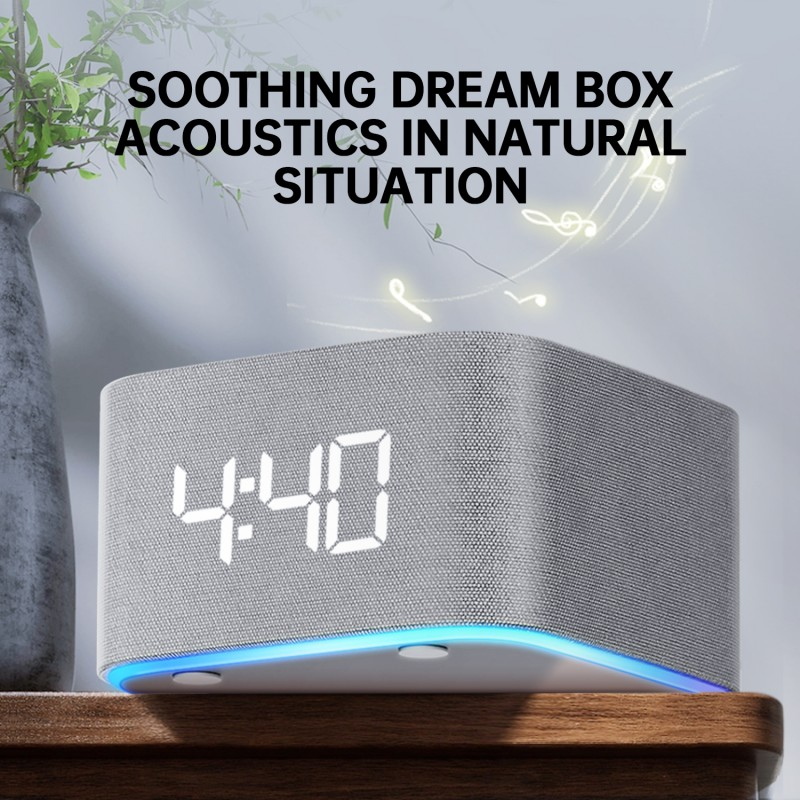
Key Factors When Choosing a Sleep Sound White Noise Machine
Sound Quality and Frequency Balance
Sound quality determines effectiveness and comfort. High-quality machines produce smooth and evenly distributed sound. Poor-quality devices generate sharp or looping noise patterns.
Balanced frequency output prevents listener fatigue. Therefore, the sound remains soothing over long periods. This factor becomes critical for overnight use.
Always test whether the sound remains natural and stable. Choose the ABIS for carefully tuned sound engineering.
Volume Control and Customization
Adjustable volume allows personalized comfort. Some users prefer softer background noise. Others need stronger masking power.
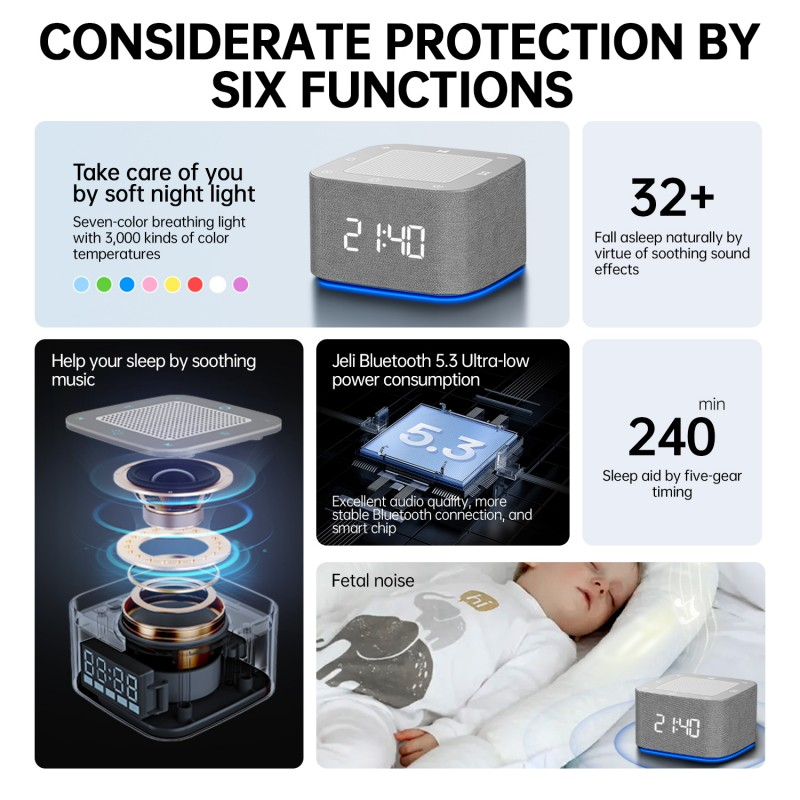
Fine volume control prevents overstimulation. Additionally, preset sound options improve flexibility. Devices with multiple sound profiles suit varied environments better.
Customization supports long-term satisfaction and safer daily use.
Timer and Smart Control Features
Timer functions prevent unnecessary overnight operation. Automatic shutoff supports energy efficiency and comfort.
Some users prefer continuous sound throughout the night. Others need limited exposure. Therefore, adjustable timers improve usability.
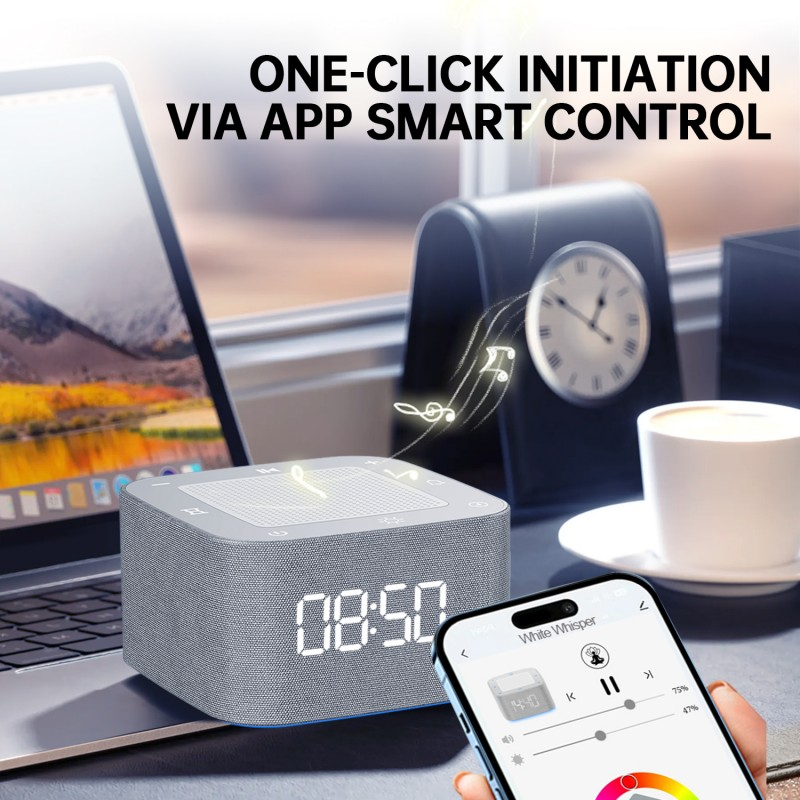
Smart controls also simplify daily routines. However, simplicity remains equally important for sleep devices.
Comparing Important Features That Affect Performance
Essential Feature Comparison Table
| Feature Category | Why It Matters | Recommended Standard |
|---|---|---|
| Sound Stability | Prevents sleep disruption | No looping or distortion |
| Volume Range | Adapts to environments | Low to medium adjustable |
| Frequency Balance | Reduces fatigue | Even sound distribution |
| Timer Function | Improves comfort | Multiple timer options |
| Build Quality | Ensures durability | Heat-resistant materials |
This table highlights features that directly impact sleep quality. Devices lacking these elements often underperform long term.
Design and Placement Considerations
Device design affects both usability and safety. Compact designs fit bedside tables easily. Stable bases prevent accidental movement during sleep.
Placement flexibility improves sound coverage. Devices should perform well without direct proximity to the head. Thoughtful design supports safer nightly use.
Choose the ABIS for designs optimized for real sleep environments.
How to Choose the Right Device for Your Need
Choosing for Better Sleep
For sleep improvement, prioritize sound consistency and comfort. Avoid overly complex interfaces that distract users. Soft indicators and minimal lighting support melatonin production.
Devices should operate quietly without electrical interference. Mechanical noise undermines sound therapy effectiveness. Therefore, internal component quality matters significantly.
Choosing for Better Focus
For focus, users benefit from a stronger masking capability. Office environments often include unpredictable noise. Therefore, a broader volume range becomes helpful.
Portable designs allow flexible use across spaces. However, sound stability remains critical during long sessions.
A high-quality Sleep Sound White Noise Machine supports both goals effectively.
Common Mistakes to Avoid
Many buyers focus only on price. However, low-cost devices often compromise sound quality. Others ignore adjustability and long-term comfort.
Avoid machines with limited control options. Avoid harsh or repetitive sound patterns. Always consider long-term daily use needs.
Choose the ABIS for balanced performance and thoughtful design.
Making the Right Choice for Sleep and Focus
Choosing the right Sleep Sound White Noise Machine requires informed evaluation. Sound quality, customization, and design directly affect results. When selected correctly, white noise supports deeper sleep and improved focus.
Non-invasive sound therapy offers safe and sustainable benefits. However, device quality determines long-term satisfaction. Users should prioritize stability, comfort, and adaptability.
For reliable performance and user-centered design, choose the ABIS. A well-chosen device transforms nightly rest and daily productivity.
FAQ
1. Can a Sleep Sound White Noise Machine be used every night?
Yes. High-quality machines support safe nightly use with proper volume settings.
2. Is white noise effective for both sleep and focus?
Yes. White noise masks distractions and stabilizes auditory environments for both purposes.
3. What feature matters most when choosing a white noise machine?
Sound stability matters most, followed closely by volume control and frequency balance.


Add comment