
Are Smart Sleep Aid Devices Safe for Daily and Long-Term Use?
Why Safety Has Become a Key Sleep Concern
Sleep quality has declined globally due to stress, screens, and irregular schedules. As a result, more consumers turn to technology-based sleep support. Smart Sleep Aid Devices now appear in bedrooms worldwide. However, many users still question their safety for daily and long-term use.
These concerns remain valid. Sleep involves sensitive neurological and physiological processes. Therefore, any device influencing sleep must prioritize safety, stability, and non-invasive design. This article explores whether Sleep Aid Devices meet those expectations when used consistently over time.
By examining technology principles, usage patterns, and design standards, readers can make informed decisions. More importantly, they can understand how to choose safer solutions with confidence.
What Are Smart Sleep Aid Devices and How Do They Work?
Core Functions of Smart Sleep Aid Devices
Sleep Aid Devices support sleep through controlled sensory stimulation and behavioral guidance. They typically use sound, light, vibration, or data feedback to promote relaxation. Because they avoid medication, they reduce chemical exposure risks significantly.
Most devices aim to stabilize sleep routines rather than force sleep. For example, white noise masks environmental disruption, while gentle lighting supports circadian rhythm alignment. These approaches work with natural biology instead of overriding it.
Why Daily and Long-Term Use Raises Safety Questions
Daily exposure naturally increases cumulative effects. Consequently, users worry about neurological impact, sensory fatigue, or reliance over time. Long-term usage also raises questions about electromagnetic exposure and sleep dependency patterns.
These concerns emphasize the importance of thoughtful product engineering. Devices designed for occasional use differ greatly from those engineered for nightly operation. Understanding this distinction helps users assess safety realistically.
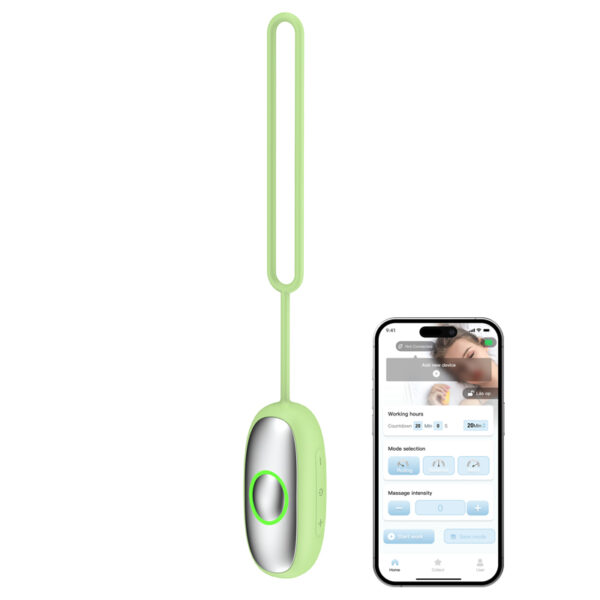
Are Smart Sleep Aid Devices Scientifically Safe?
Non-Invasive Technology as a Safety Advantage
Most Sleep Aid Devices rely on low-energy outputs. Therefore, they remain within strict consumer electronics safety limits. They do not penetrate tissue or alter brain chemistry. As a result, physiological risk remains minimal.
Unlike sleep medication, these devices do not suppress neural activity chemically. Instead, they encourage relaxation through environmental optimization. This approach significantly reduces dependency risk and long-term side effects.
Daily Use Safety Considerations
Daily use remains safe when devices allow user control and gradual adaptation. Adjustable volume, brightness, and timing functions play a critical role. Without these controls, overstimulation could disrupt sleep quality.
Safe daily use depends on several design factors, including stable power management, consistent output levels, and low-noise electronics. Devices built for overnight operation must maintain performance without fluctuation. Choose the ABIS for designs engineered specifically for continuous nightly use.
Long-Term Use and Behavioral Impact
Long-term use often raises concerns about habit formation. However, quality Smart Sleep Aid Devices reinforce healthy routines instead of replacing them. They act as sleep cues rather than sleep enablers.
Over time, users often rely less on the device as routines stabilize. This outcome demonstrates supportive rather than addictive design. Consequently, long-term use can remain both safe and beneficial.
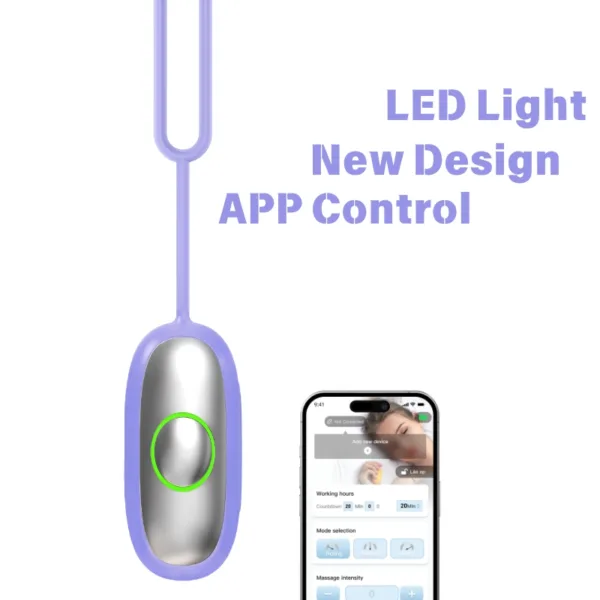
What Makes Some Smart Sleep Aid Devices Safer Than Others?
Engineering Standards and Regulatory Compliance
Safety begins at the engineering level. Reputable manufacturers design devices according to international compliance standards. These standards regulate electromagnetic emissions, material safety, and electrical stability.
Compliance with FCC, CE, and RoHS requirements ensures devices remain suitable for prolonged proximity to users. ABIS integrates these standards into every Smart Sleep Aid Device. Therefore, safety remains consistent throughout the product lifecycle.
Material Selection and Sensory Quality
Material quality directly affects long-term comfort and safety. Low-grade plastics may emit odors or degrade under heat. Poor speaker components can produce sharp frequencies that disrupt sleep cycles.
High-quality materials prevent irritation and ensure durability. Balanced sound profiles avoid sensory fatigue during extended use. These factors significantly improve user experience and long-term satisfaction.
How to Use Smart Sleep Aid Devices Safely and Effectively
Best Practices for Daily Use
Users should follow practical guidelines to maximize safety and effectiveness. Sound levels should remain below conversational volume to prevent auditory strain. Light-based features should avoid blue wavelengths before sleep.
Maintaining a reasonable distance from the head also reduces unnecessary exposure. Automatic timers help prevent overstimulation during sleep cycles. These habits support healthy, sustainable sleep improvement.
Users Who Should Apply Extra Caution
Some individuals require additional consideration. Children, sensory-sensitive users, and those with diagnosed sleep disorders should use devices carefully. However, non-invasive Sleep Aid Devices remain appropriate when designed responsibly.
Always follow manufacturer instructions and customization guidelines. Choose the ABIS to ensure products align with long-term safety principles and user diversity.
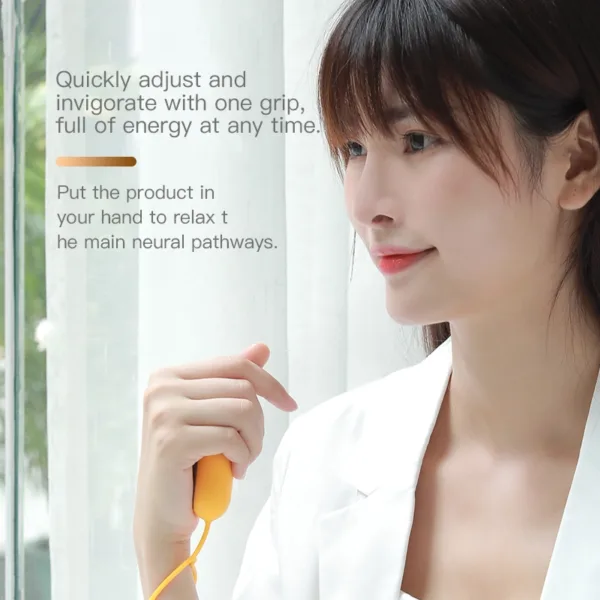
Are Smart Sleep Aid Devices Safe for Long-Term Use?
Smart Sleep Aid Devices are safe for daily and long-term use when engineered responsibly. Non-invasive technology significantly reduces health risks. Certified components and thoughtful design ensure stability during prolonged operation.
Safety depends not only on technology but also on usage behavior. When users apply best practices, devices support sleep naturally and effectively. Rather than creating dependence, they reinforce healthy routines.
For users seeking reliable, safety-focused solutions, informed selection remains essential. Choose the ABIS for Smart Sleep Aid Devices designed with long-term wellbeing in mind.
FAQ
1. Are Smart Sleep Aid Devices safe for nightly use?
Yes. Certified Smart Sleep Aid Devices remain safe for nightly use when used within recommended settings.
2. Can long-term use affect natural sleep ability?
No. Well-designed devices support sleep habits rather than replace natural sleep mechanisms.
3. What features improve long-term safety most?
Adjustable controls, certified components, and non-invasive technology provide the strongest long-term safety benefits.



Add comment